Learn
Learn mining, one step at a time.
Follow a short path from how proof-of-work functions to choosing hardware, estimating costs, and running miners safely. Or jump straight to a topic.

Your four-step route
A clear path from the fundamentals to safe, informed operation.

Step 1: Understand proof-of-work
How miners secure a network, what difficulty means, and where rewards come from.
Start with the basics
Step 2: Compare the hardware
Read sourced specifications and see how hashrate and power combine into efficiency.
Browse hardware
Step 3: Estimate the numbers
Model revenue and costs with your own electricity price, pool fee, and uptime.
Open the tools
Step 4: Operate safely
Plan electrical load, heat, noise, and maintenance before a machine is switched on.
Read about operations
Explore by topic
Learn the core concepts with practical examples, common questions, and primary sources. Each topic also connects you to related articles.
 14 related articlesBasicsUnderstand proof of work, mining rewards, pools, and operating costs before choosing equipment. A practical introduction with examples and primary sources.
 14 related articlesBitcoinLearn how SHA-256 mining, block rewards, difficulty, and pool shares fit together, with practical examples and links to Bitcoin technical references.
 16 related articlesEnergyLearn the difference between watts and kilowatt-hours, calculate electricity spend, and plan for cooling, tariffs, and electrical capacity before mining.
 211 related articlesHardwareRead mining hardware specifications, check algorithm compatibility, compare efficiency in consistent units, and plan purchase and installation costs.
 14 related articlesOperationsPlan a mining site, configure pools, monitor accepted work, and manage cooling, maintenance, and shutdowns with practical checks and manufacturer references.
Good first reads
New to mining? Start with these beginner-friendly guides.
38 guides
 ASIC miner and coin compatibility: verify the algorithmVerify a coin's proof-of-work algorithm against a miner's supported workload and check firmware and pool support before changing configuration.Beginner2 min readGuides
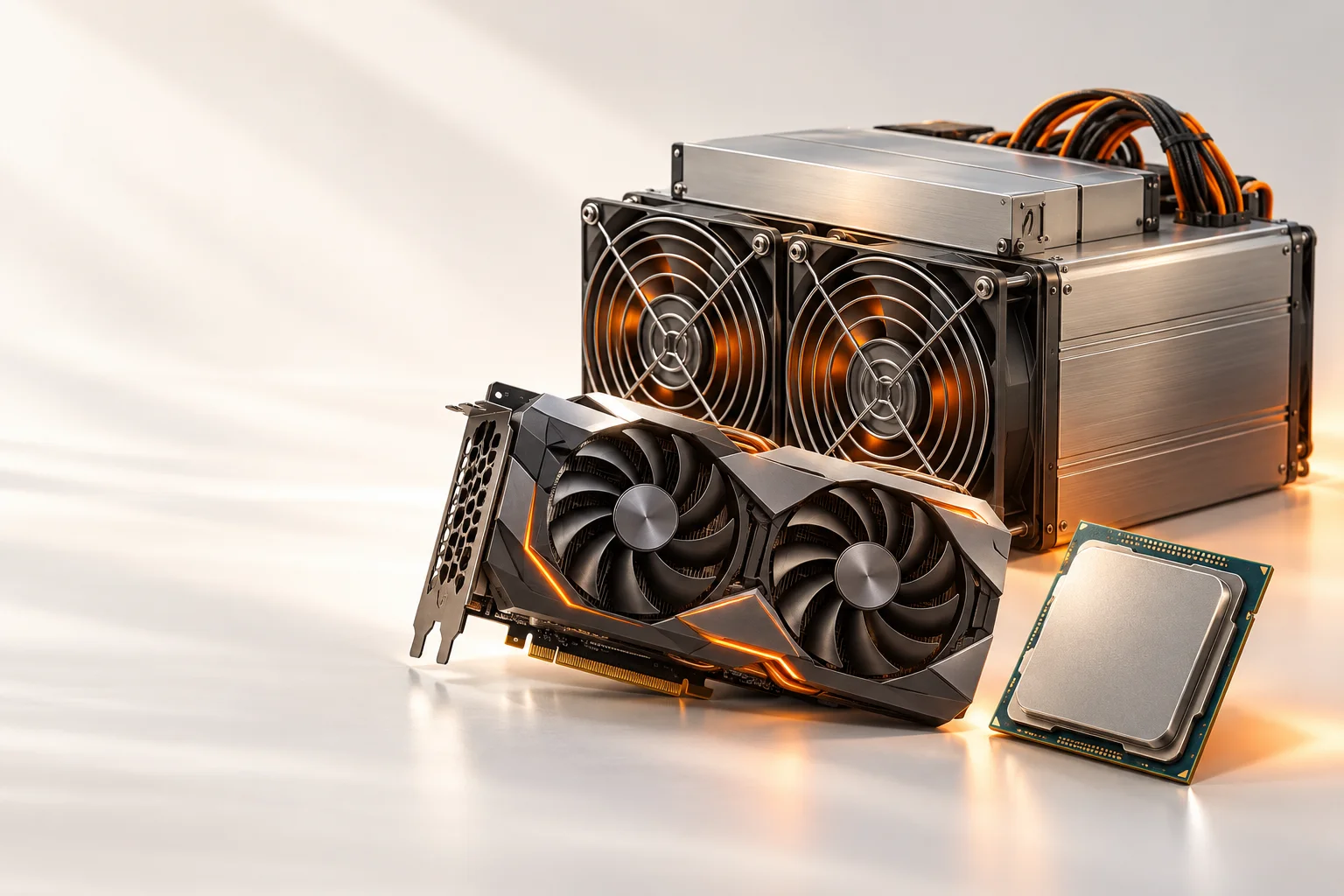 ASIC vs GPU vs CPU mining: choose compatible hardwareUnderstand the practical differences between specialized miners and general-purpose processors before choosing equipment for an algorithm.Beginner2 min readGuides
 Bitcoin mining rewards: block subsidy and transaction feesUnderstand the two components of a Bitcoin block reward and why a miner's credited payout differs from a headline network reward.Beginner3 min readGuides
 Bitcoin mining difficulty: targets and adjustment cyclesConnect Bitcoin's proof-of-work target, difficulty adjustment, and your share of network hashing without mistaking estimates for guaranteed yield.Beginner2 min readGuides
 Bitcoin halving: model the impact on mining revenueEvaluate subsidy reductions using clearly labeled scenarios rather than assuming constant fees, prices, or miner profitability.Beginner2 min readGuides
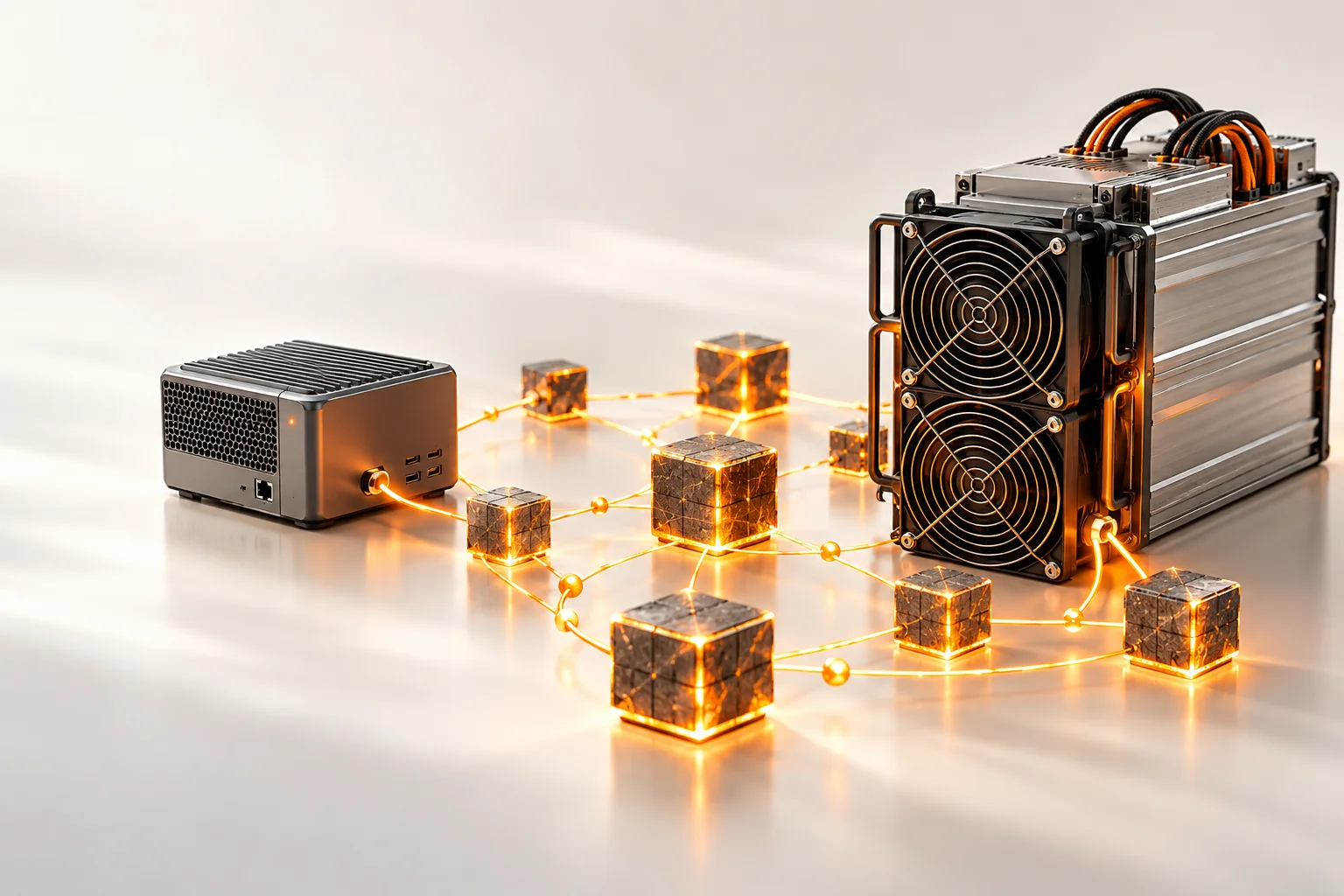 Bitcoin miner vs full node: understand their rolesUnderstand why Bitcoin hash production, full-node validation, and pool coordination are related roles with different requirements.Beginner2 min readGuides
 Bitcoin mining payout addresses: verify wallet and networkCheck payout destinations, network selection, ownership, and account security before assigning a wallet address to a mining pool.Beginner3 min readGuides
 Bitcoin mining payout confirmations: verify receiptDistinguish an accrued pool balance, a broadcast transaction, and a confirmed Bitcoin payout using a clear verification workflow.Beginner2 min readGuides
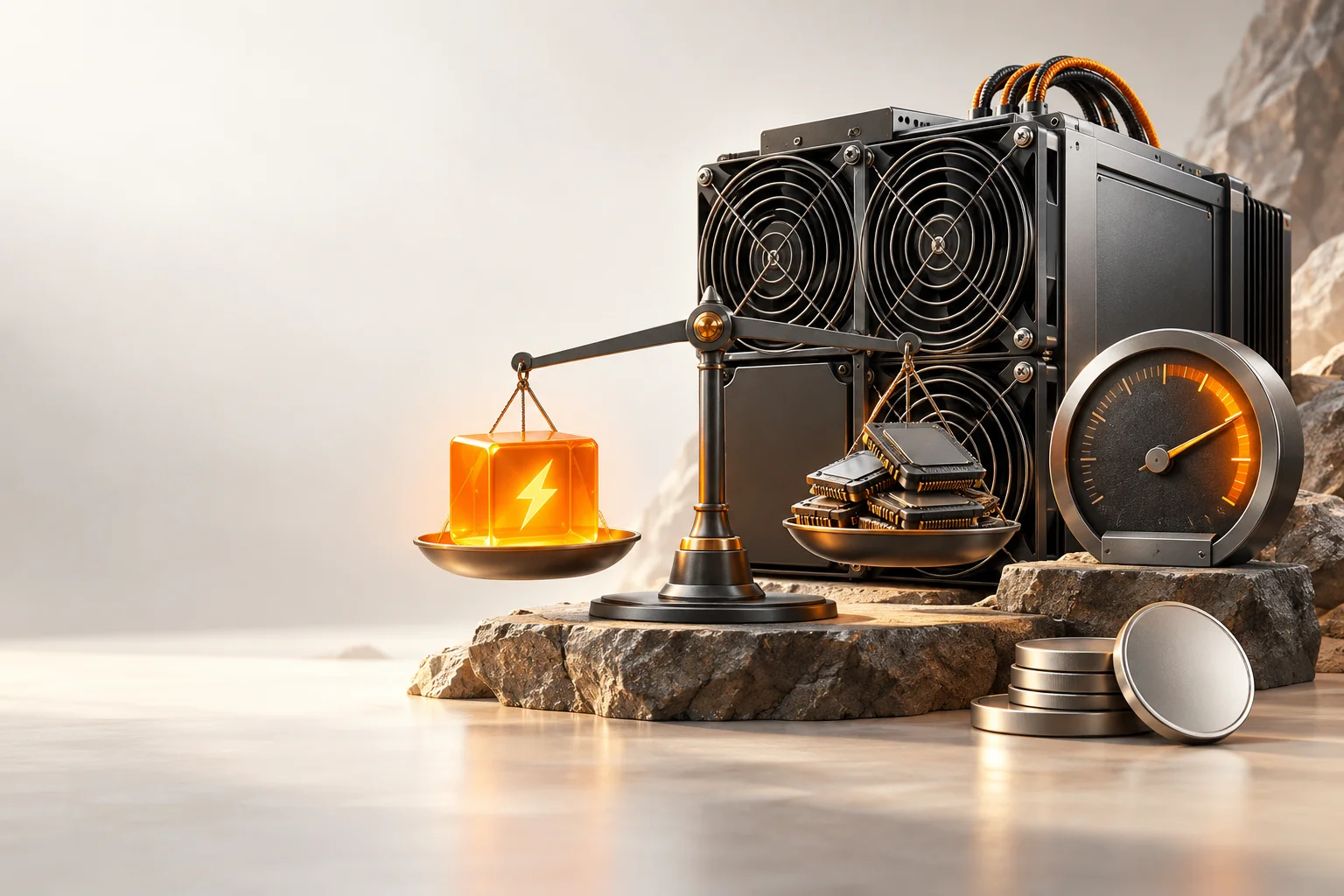 ASIC miner efficiency: calculate J/TH and W/TH/sCompute watts per unit of hashrate and distinguish nominal machine efficiency from measured and whole-site energy performance.Beginner2 min readGuides
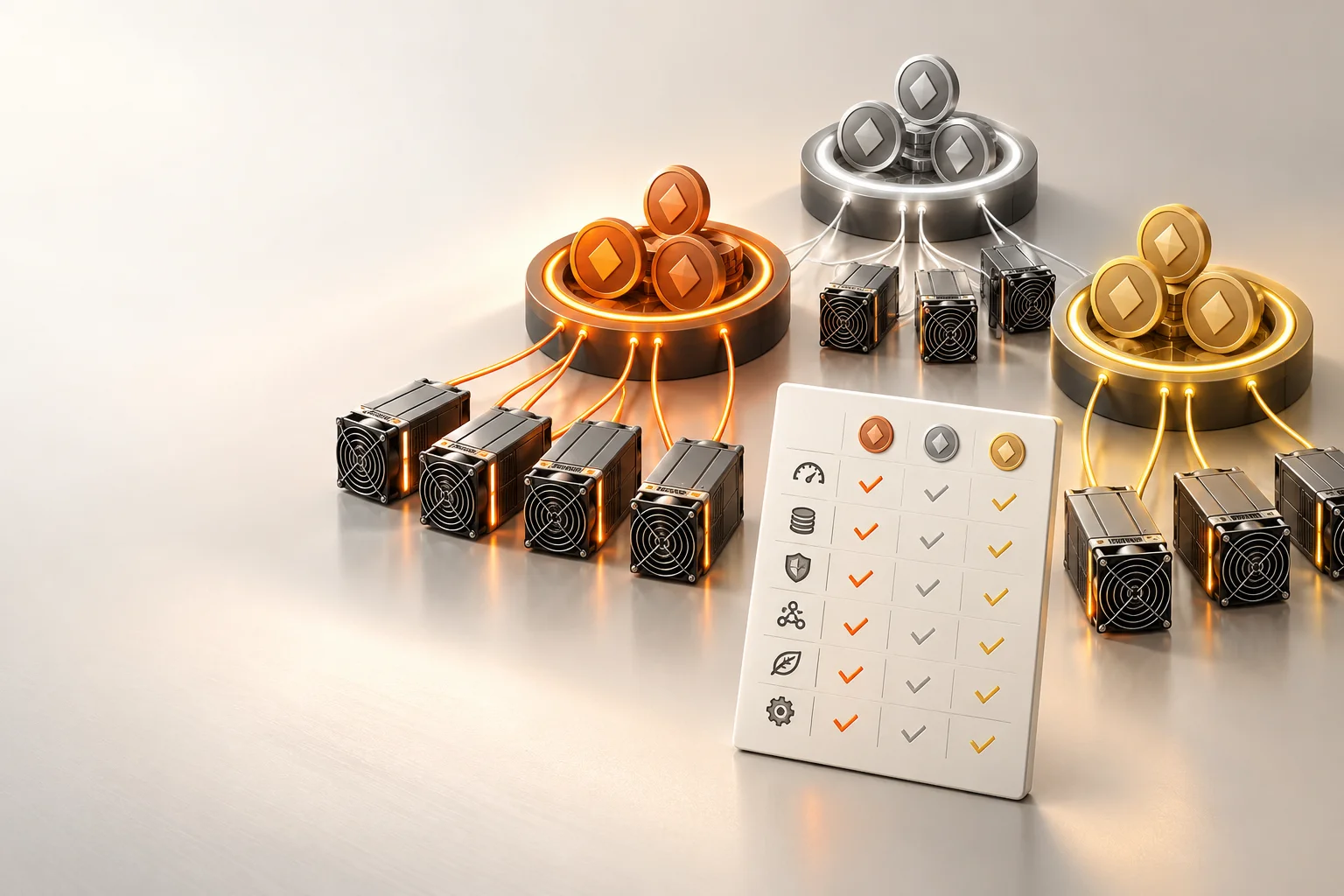 How to choose a mining pool: fees, payouts, and reliabilityEvaluate pool compatibility, reward rules, fees, withdrawal conditions, security, and connection evidence without choosing by headline size alone.Beginner2 min readGuides
 Mining cooling costs: include auxiliary electricityEstimate auxiliary energy separately from miner power and use a clear boundary when comparing a machine with a complete mining site.Beginner2 min readGuides
 Buying your first ASIC miner: a decision checklistUse a practical go-or-no-go checklist covering algorithm compatibility, site readiness, total cost, support, and operating responsibility.Beginner2 min readGuides
 Mining hashrate units: convert MH/s, GH/s, and TH/sConvert hashes per second into common mining units and compare equipment without mixing algorithms, scales, or measurement windows.Beginner2 min readGuides
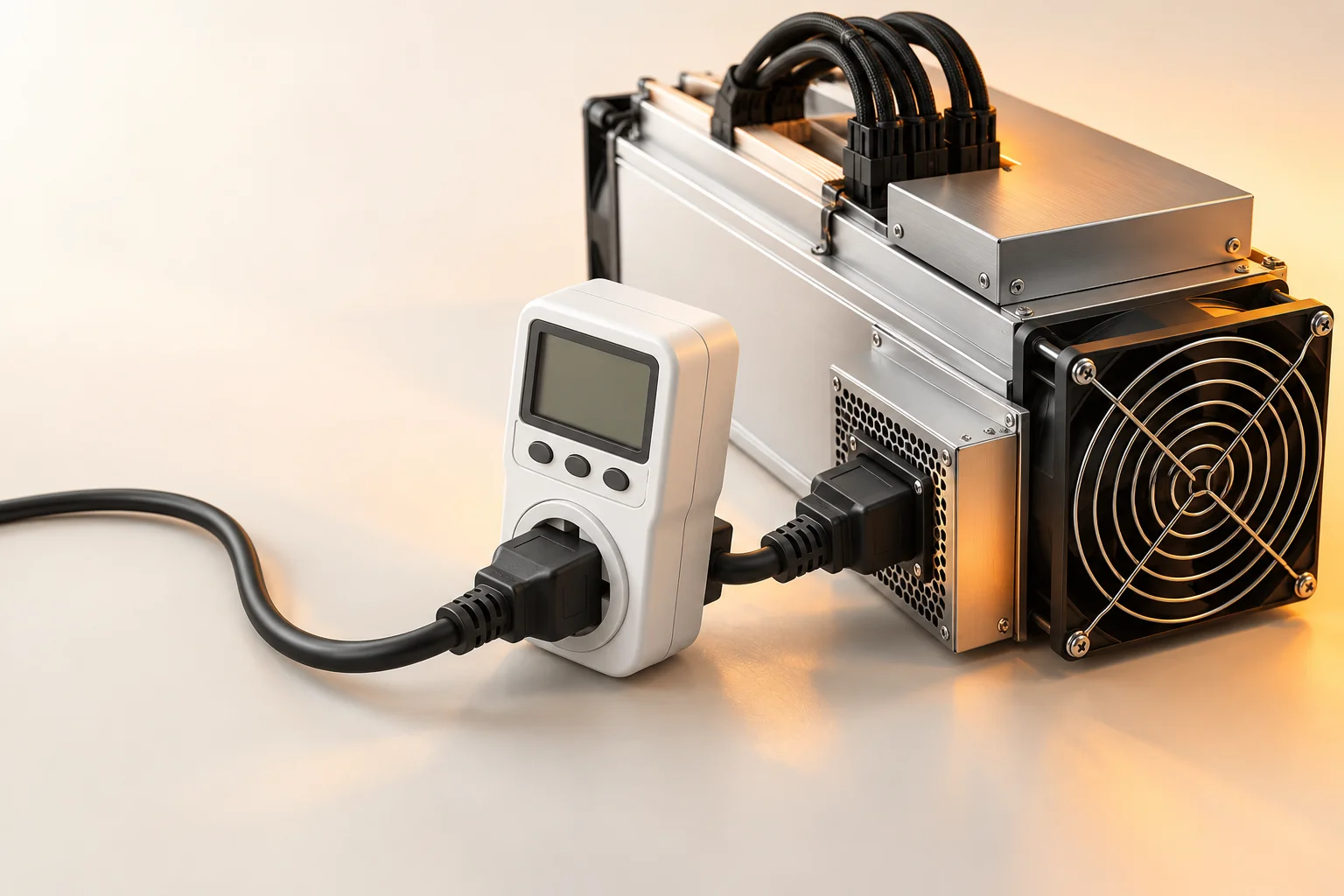 How to measure ASIC miner power consumptionRecord whole-device power under stable conditions using appropriately rated metering and distinguish measured draw from a nominal specification.Beginner2 min readGuides
 ASIC miner monitoring: establish a performance baselineCreate a timestamped baseline of power, temperatures, local hashrate, accepted work, and configuration so alerts lead to useful investigations.Beginner2 min readGuides
 How to shut down and restart an ASIC miner safelyCreate a model-specific stop and restart checklist with safe isolation, fault review, and post-start verification for a mining site.Beginner2 min readGuides
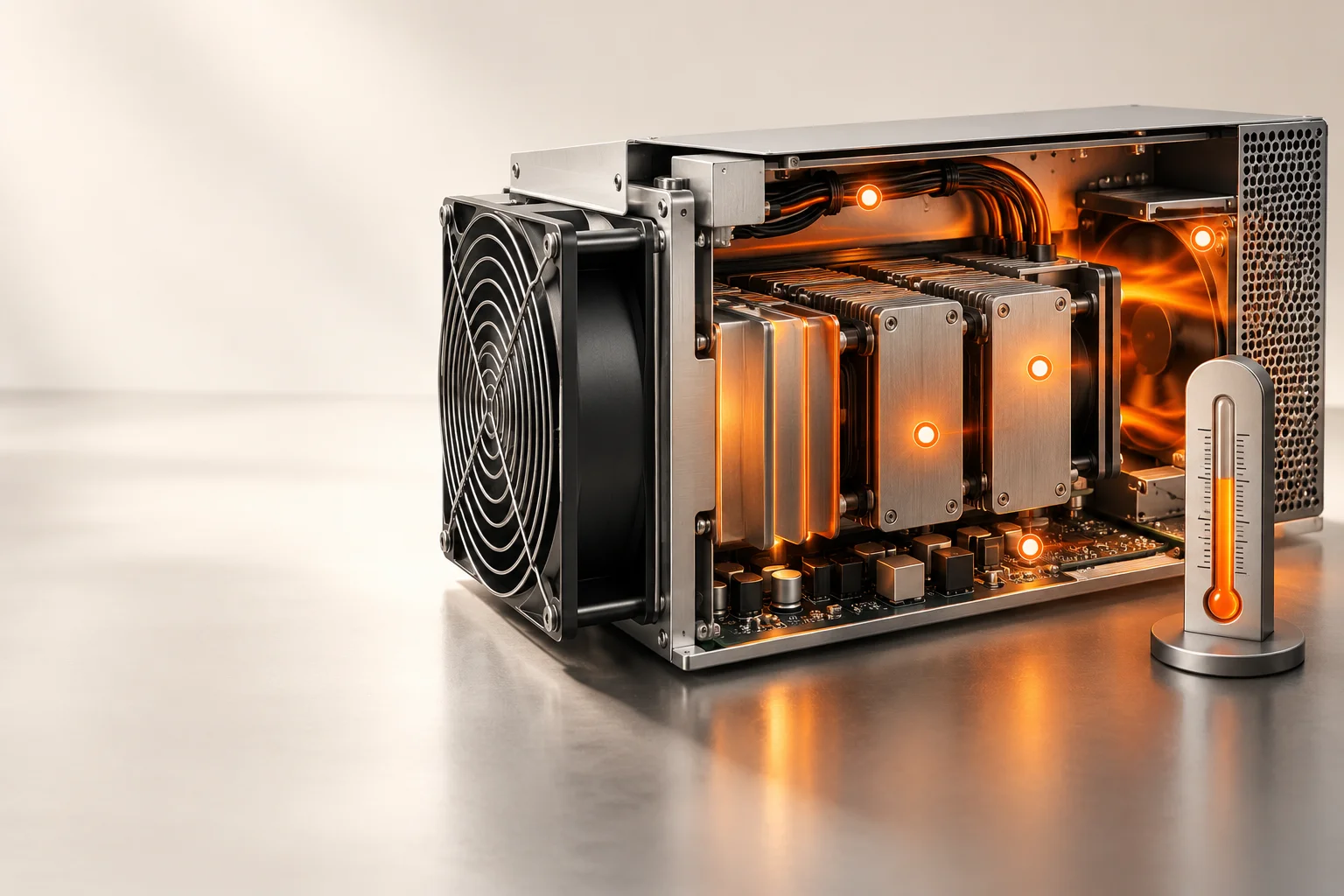 ASIC miner temperature monitoring: sensors and limitsDistinguish ambient, inlet, board, and chip measurements and set model-specific response procedures rather than a universal temperature threshold.Beginner2 min readGuides
 Mining uptime metrics: measure productive availabilityDistinguish powered time, local hashing, pool connectivity, and productive accepted work when reporting downtime and operating performance.Beginner2 min readGuides
 Mining setup budget: hardware, installation, and running costsBuild a pre-purchase budget that separates equipment, installation, running costs, and reserves instead of relying on a miner's price alone.Beginner2 min readGuides
 ASIC mining electrical safety: prepare a site reviewPrepare an information pack for a qualified electrician covering miner supply requirements, continuous load, site conditions, and safe isolation.Beginner2 min readGuides
 Mining electricity costs: calculate kWh and daily spendConvert a miner's watts and operating hours into kilowatt-hours and a clearly scoped electricity estimate before adding site overhead.Beginner2 min readGuides
 Cryptocurrency mining glossary: key dashboard termsLearn the distinction between hashrate, power, difficulty, shares, uptime, and payouts using a practical dashboard-reading workflow.Beginner2 min readGuides
 ASIC miner heat output: estimate the cooling loadRelate electrical input to heat-load planning and evaluate intake, exhaust, and ambient conditions before installing continuous mining loads.Beginner2 min readGuides
 Mining uptime and electricity: account for idle powerCalculate energy across operating and idle intervals without assuming that an unavailable miner consumes no electricity.Beginner2 min readGuides
 Mining vs buying cryptocurrency: compare costs and risksCompare operating equipment with acquiring coins directly by separating exposure, maintenance, liquidity, and recurring expenses.Beginner2 min readGuides
 Mining wallet security: custody, backups, and recoverySeparate public payout information from wallet secrets and prepare a secure, tested recovery arrangement for receiving mining proceeds.Beginner3 min readGuides
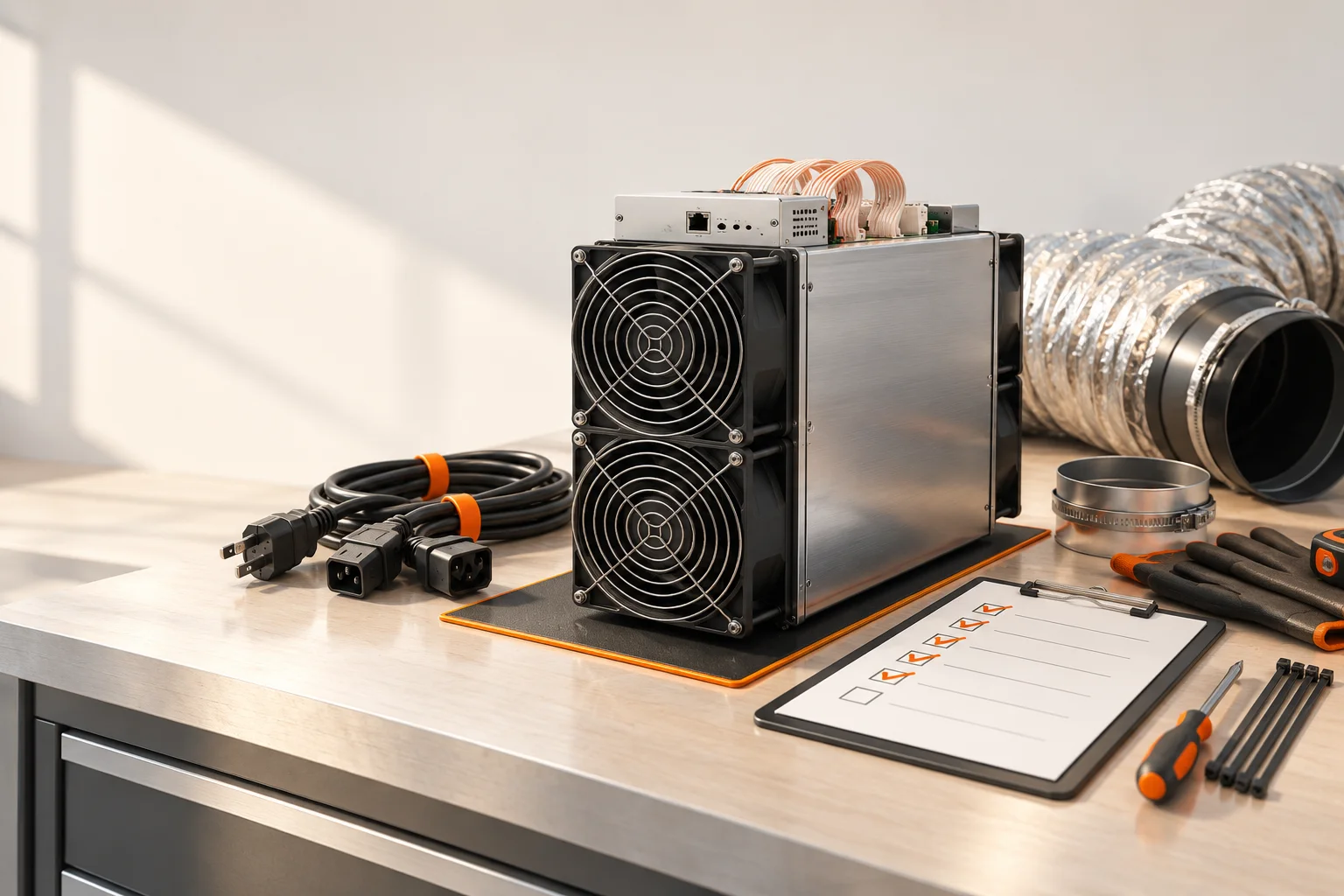 ASIC miner installation checklist: prepare power and coolingOrganize electrical, cooling, network, space, and operating checks before unpacking and commissioning mining equipment.Beginner2 min readGuides
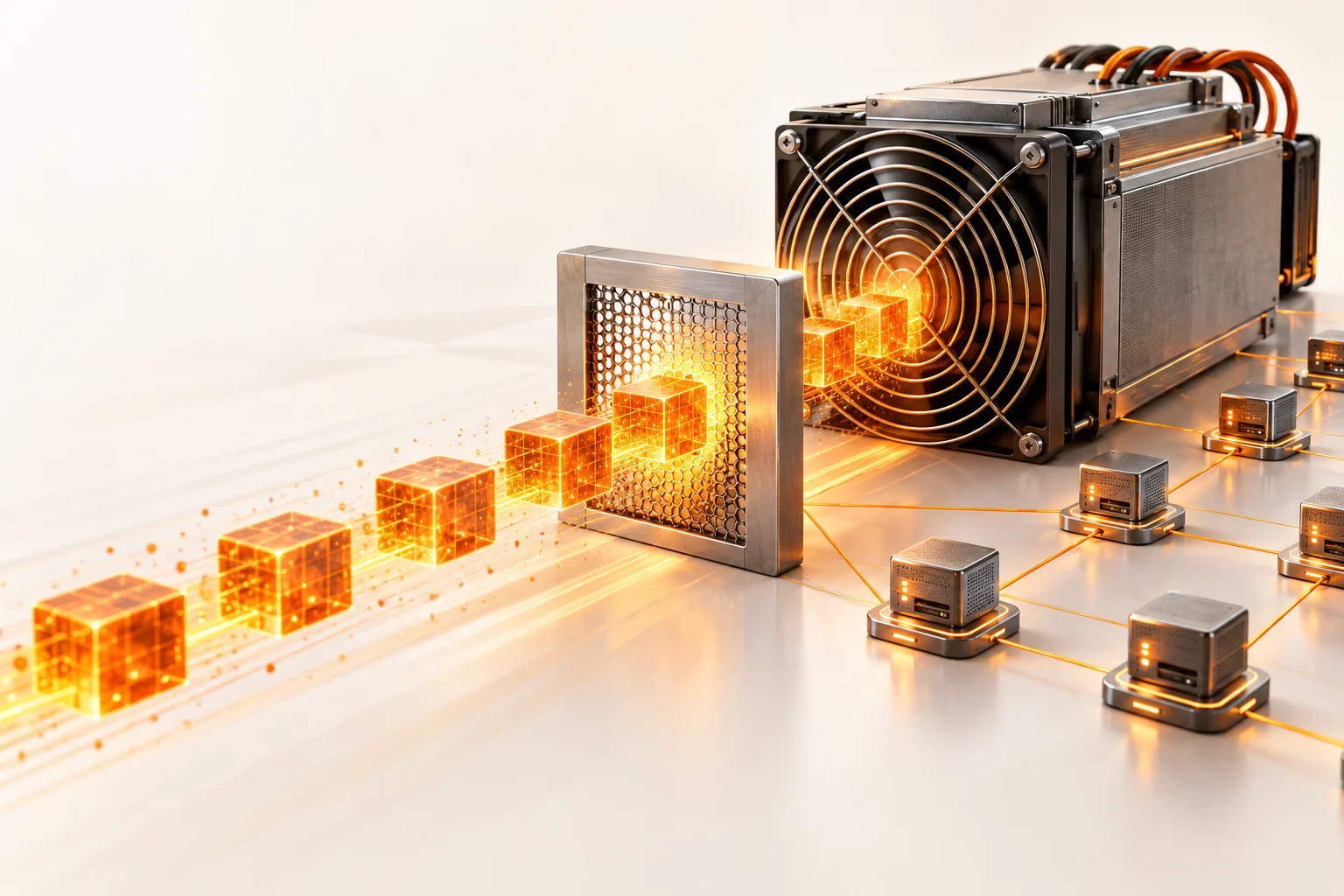 Proof of work explained: how cryptocurrency mining worksFollow a candidate block from hashing to verification and distinguish mining work from the network rules that nodes enforce.Beginner2 min readGuides
 Mining electricity tariffs: energy, demand, and fixed feesBuild a mining electricity worksheet from your own utility tariff by separating energy rates, fixed fees, demand terms, and taxes.Beginner3 min readGuides
 ASIC miner specifications: compare models and modesCompare exact mining models using algorithm, nominal performance, supply, cooling, and observed specifications instead of a single headline number.Beginner2 min readGuides
 Mining profitability estimates: read inputs and exclusionsRead a mining profitability result by separating gross revenue, electricity, fees, uptime, capital cost, and excluded expenses.Beginner2 min readGuides
 Mining pool payouts: reconcile credits and wallet receiptsMatch pool reward records, deductions, withdrawals, and confirmed wallet receipts without mixing accruals with on-chain transfers.Beginner2 min readGuides
 Mining shares vs blocks: understand pool statisticsDistinguish accepted shares, network blocks, and pool payouts so worker statistics do not become misleading revenue assumptions.Beginner2 min readGuides
 Solo vs pool mining: compare rewards and payout riskCompare solo and pooled mining through variance, service dependency, fees, and the difference between expected value and predictable cash flow.Beginner2 min readGuides
 Buying used ASIC miners: inspect condition and test evidenceReview a used miner's identity, test conditions, error history, included parts, and support terms before treating an advertised hashrate as reliable.Beginner2 min readGuides
 ASIC miner seller checks: verify equipment and payment termsCheck a seller's identity, equipment evidence, transaction terms, and payment instructions before committing to a mining hardware purchase.Beginner2 min readGuides
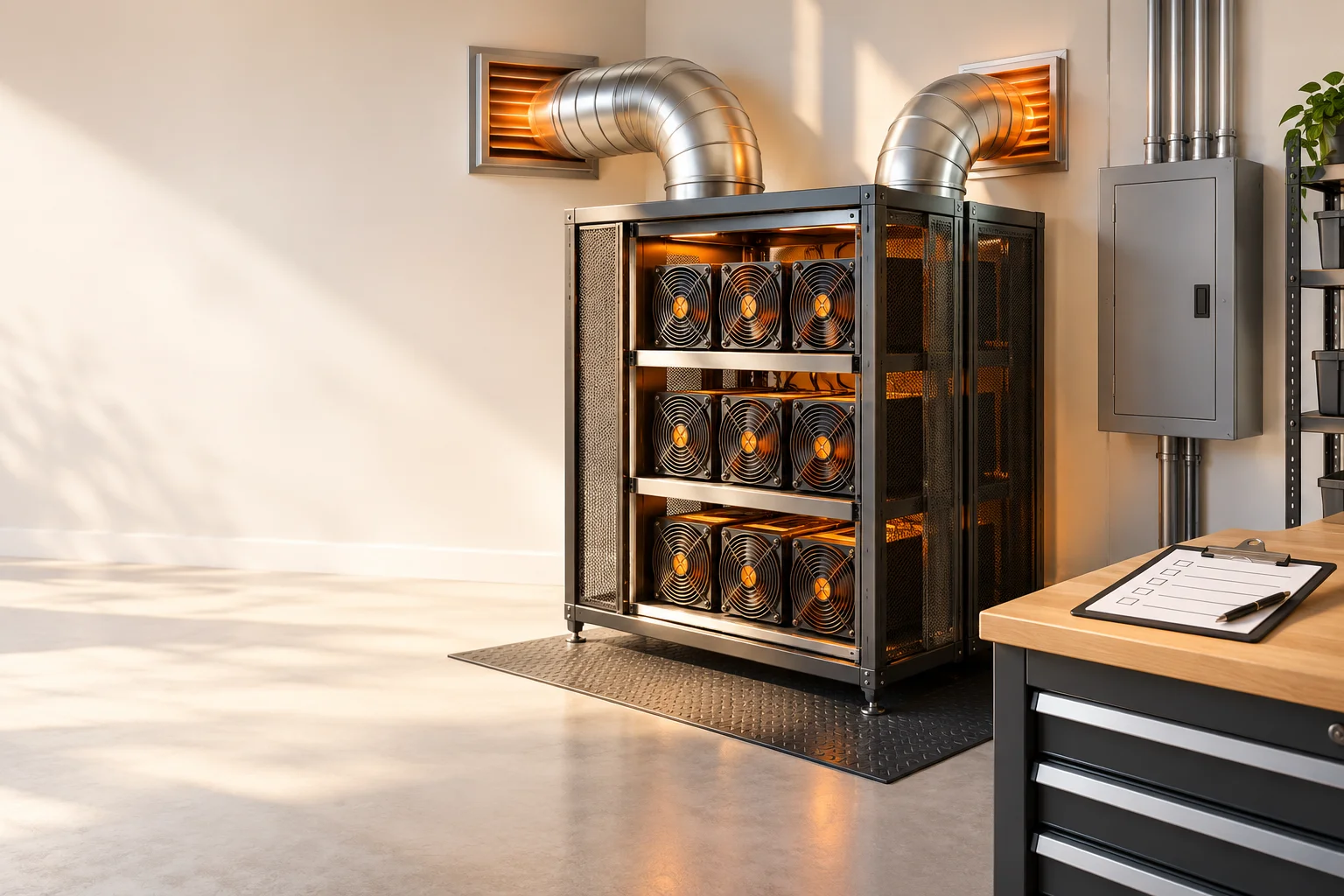 Home mining safety checklistReview electrical load, heat, noise, ventilation, and shutdown planning before operating mining hardware at home.Beginner4 min readGuides
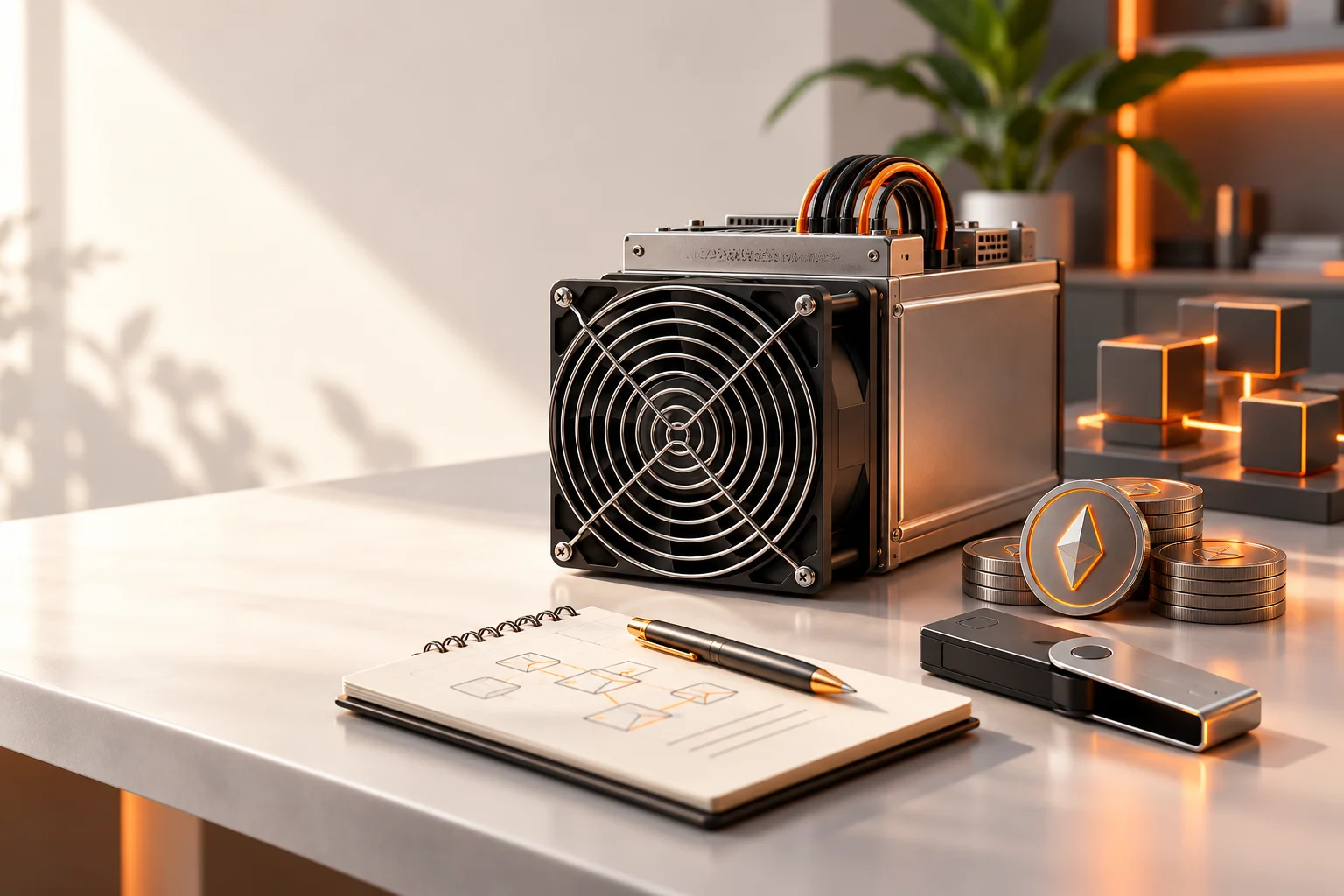 Mining basics for first-time operatorsLearn how proof-of-work mining turns electricity and computing hardware into network security before you buy equipment.Beginner3 min readGuides